
MBBS in Mongolia for Indian Students
Mongolia has an English medical programme in Ulaanbaatar, but very few Indian students study there. Read the facts, NMC rules and practical challenges before you decide.
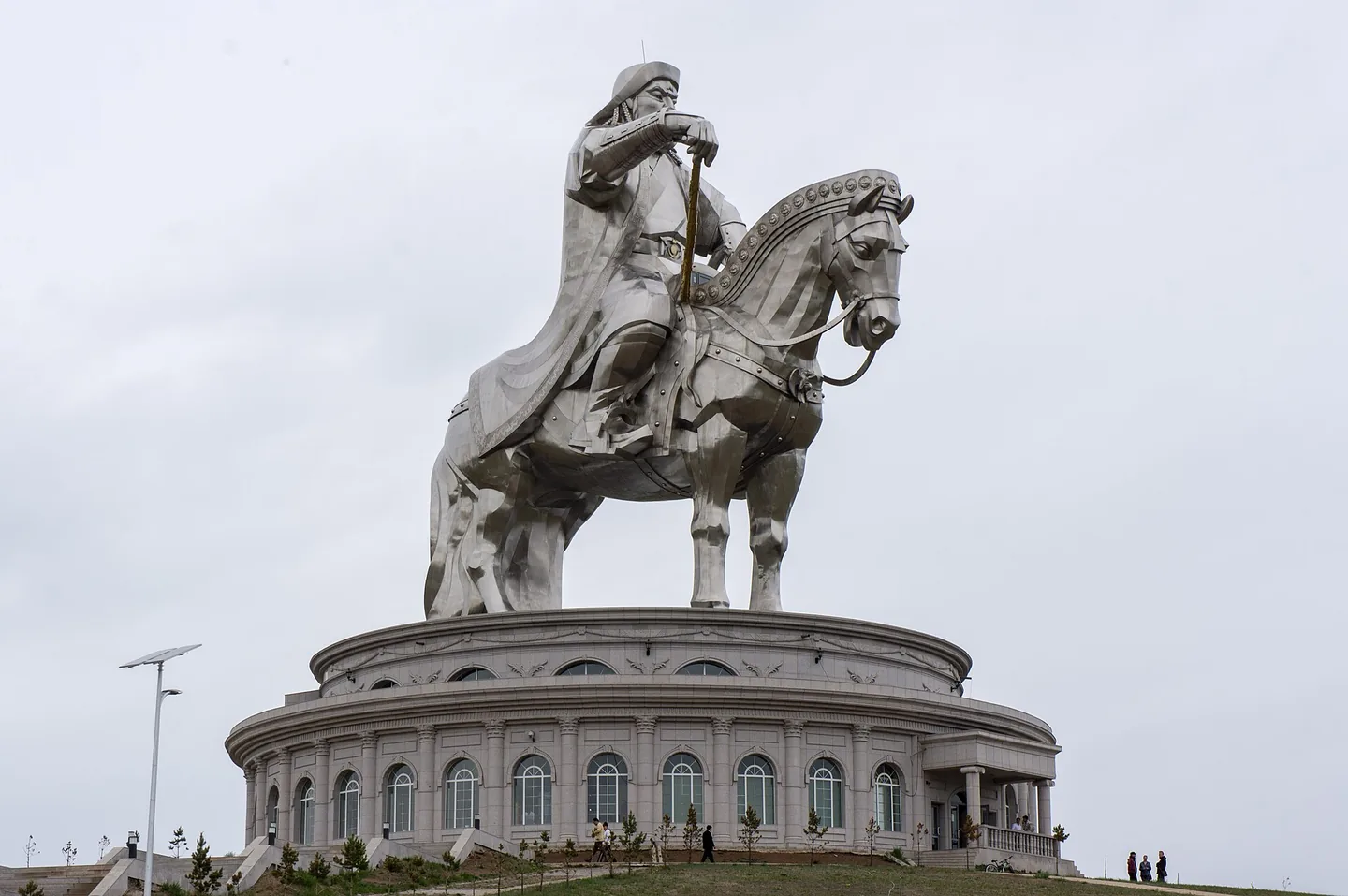
Photo credits
Genghis Khan Equestrian Statue — photo by Vaiz Ha. Resized and compressed. Image source · CC BY 2.0.
At a glance
- Currency
- MNT
- Phone code
- +976
- Universities listed
- 0
Mongolia has an English medical programme in Ulaanbaatar, but very few Indian students study there. Read the facts, NMC rules and practical challenges before you decide.
Is Mongolia a good choice for MBBS?
Mongolia is a rare choice for Indian medical students. It can work for some students, but it comes with real challenges: an extremely cold climate, winter air pollution in Ulaanbaatar, very few Indian students and limited Indian food. Read this guide carefully and compare it with other destinations.
The English Medical Program at MNUMS
The Mongolian National University of Medical Sciences (MNUMS) in Ulaanbaatar runs an English Medical Program. According to the programme's own pages:
- it enrols international students, mainly from Korea, Canada, Russia, Japan and Mongolia;
- it uses block-based learning, with clinical training from the third year at affiliated hospitals and partner institutions;
- it aims to prepare students for licensing exams in Mongolia and the United States;
- applicants must have completed high school and be at least 18 years old, which is older than the minimum age of 17 for NEET.
What to check for NMC rules
- Clinical training abroad: NMC requires the whole course and internship at the same foreign institution. Ask how training at partner hospitals or institutions outside Mongolia fits this rule.
- Internship: whether a 12-month internship is done at MNUMS.
- Licence: how foreign graduates become eligible for a medical licence in Mongolia, and in which language the licensing exam is held.
- Duration and English: at least 54 months, taught fully in English.
Who should consider MBBS in Mongolia?
Mongolia may suit an adventurous NEET-qualified student who is comfortable being one of very few Indians, can handle extreme cold, and has confirmed every NMC condition in writing. For most students, other destinations with established Indian communities will be easier.
PSP Education and Mongolia
PSP Education is not listing Mongolian universities on this website at present. If you are interested in Mongolia, our counsellors can help you check the programme against NMC rules and compare it with other countries.
Costs to plan for
Ask the university for a written fee schedule. Add accommodation, heating, winter clothing, food, medical insurance, visa charges and flights through a connecting city.
NMC rules for MBBS in Mongolia: read before you apply
If you want to practise medicine in India after studying in Mongolia, your course must meet the NMC Foreign Medical Graduate Licentiate Regulations, 2021. These rules apply to students who joined a foreign medical course on or after 18 November 2021. The National Medical Commission (NMC) does not approve or publish a list of foreign universities. Instead, it sets conditions that your course must meet:
- The course is at least 54 months long.
- You complete a 12-month internship in the same foreign university.
- The whole course is taught in English.
- The entire course, training and internship happen outside India, at the same university. No part of it can be done in India.
- You study the subjects listed by NMC.
- You become eligible for a licence to practise medicine in Mongolia, on the same terms as its own citizens.
- You finish the course within 10 years of joining.
After returning to India, you must clear the licensing exam for foreign medical graduates and complete a 12-month supervised internship in India. Today this exam is the FMGE, conducted by NBEMS. NMC plans to replace it with the National Exit Test (NExT), but as of October 2026 NExT has not started for foreign graduates.
Eligibility for MBBS in Mongolia
- Class 12 with Physics, Chemistry, Biology and English, with the marks needed for MBBS admission in India (lower for reserved categories; check the NEET-UG information bulletin).
- NEET-UG qualified. NEET is compulsory for Indian students who want to practise in India after studying abroad. For foreign admission, the result is valid for three years from the date it is declared. The Supreme Court upheld this rule in 2025.
- At least 17 years old by 31 December of the admission year.
- A valid passport.
Universities may also set their own minimum marks, an entrance test or an interview. Do not trust anyone who offers MBBS admission without NEET if you want a medical career in India.
Documents usually required
- Passport
- Class 10 and Class 12 marksheets and certificates
- NEET-UG scorecard
- Passport-size photographs
- Medical fitness certificate and any tests the embassy asks for
- Admission letter and visa invitation or approval
Some documents may need translation, notarisation or apostille. Follow the exact list your university gives you.
MBBS admission process for Mongolia
- Counselling: share your NEET score, Class 12 marks, budget and preferences with a counsellor.
- Shortlisting: compare course duration, teaching language in every year, clinical training, hostel and the full cost.
- NMC check: ask the university to confirm the NMC conditions in writing and read the latest notices on nmc.org.in.
- Application: submit your documents through the university's official channel.
- Admission letter: read the fee schedule and refund rules before paying.
- Visa: apply for the student visa arranged through the university.
- Travel: attend a pre-departure briefing and plan your arrival with the university.
After MBBS in Mongolia
Most Indian graduates return to clear the FMGE and complete the internship in India, then practise or prepare for postgraduate entrance exams. Some take licensing exams in other countries. A foreign medical degree alone does not give you the right to practise anywhere. Read our MBBS abroad guide for the full rules.
Your MBBS journey in Mongolia, year by year
- Before you leave: qualify NEET, choose the university carefully, check the NMC conditions in writing, arrange documents and visa, and join a pre-departure briefing.
- First year: settle into hostel life, learn the local language seriously, and build strong basics in anatomy, physiology and biochemistry.
- Middle years: focus on pathology, pharmacology and microbiology. Start reading Indian textbooks and solving FMGE-style questions alongside your university studies.
- Clinical years: attend every hospital posting, talk to patients in the local language, and keep a record of your clinical training.
- Final year and internship: complete the 12-month internship at your university, collect all certificates, and prepare for the licensing exam in India.
- After returning: apply for the FMGE, then the 12-month internship in India through your State Medical Council.
Common mistakes to avoid
- Choosing only by the lowest fee. A cheap course that does not meet NMC rules can cost you your career in India.
- Believing "NMC approved" claims. NMC does not approve foreign universities. Check the conditions yourself.
- Ignoring the local language. Students who do not learn it struggle in clinical years.
- Leaving FMGE preparation to the end. Start practising early.
- Paying agents in cash or to personal accounts. Pay fees only to the university's official account and keep every receipt.
- Not keeping documents. Save your syllabus, marksheets, attendance and internship certificates. You will need them in India.
Paying for your studies in Mongolia
Education loans
Many Indian families use an education loan for studies abroad. Banks and lenders usually ask for the admission letter, a cost estimate from the university, academic records, identity and address proof, and income documents of a co-applicant, usually a parent. Larger loans may need collateral. Interest rates, limits and repayment rules differ between lenders, so compare at least two or three offers and read the terms carefully.
Sending money abroad
Fees and living money are usually sent through a bank's foreign remittance service under the RBI's rules for education abroad. Keep the university's fee invoice and bank details ready, and always pay only to the university's official account. Never pay fees into a personal account.
Making a realistic budget
- Write down tuition for every year, not just the first year.
- Add hostel, food, transport, mobile, insurance, books and visa charges.
- Add flights home at least once a year.
- Keep 10–15% extra for exchange rate changes and emergencies.
How to prepare for the FMGE while studying in Mongolia
The FMGE tests your medical knowledge as per the Indian curriculum. Many students who study abroad find it challenging, so prepare steadily through your course:
- Use standard Indian textbooks alongside your university notes, especially for clinical subjects.
- Solve multiple-choice questions regularly from your second year onwards.
- Revise subject by subject after each semester, while the topics are fresh.
- Take mock tests in the final year to build speed and confidence.
- Study in a group with other Indian students to stay motivated.
MBBS in Mongolia or a private college in India?
- Cost: studying abroad is often cheaper than many private colleges in India, but compare the full cost honestly.
- Practice in India: an Indian MBBS lets you practise after internship; a foreign degree also needs the licensing exam and an internship in India.
- Patients and language: in India you train with patients who speak your language; abroad you must learn a new one.
- Experience: studying abroad builds independence and international exposure.
Discuss these points openly as a family before you decide.
Your application timeline for MBBS in Mongolia
Starting early gives you more choices and less stress. Here is a simple timeline most students can follow. Exact dates depend on the university and intake, so confirm them with your counsellor.
- 12 months before: talk to your family about budget and goals, and book a counselling session.
- 9–10 months before: shortlist universities, check eligibility and start preparing for any tests you need.
- 6–8 months before: get your passport ready if you do not have one, collect marksheets and certificates, and take English or entrance tests.
- 4–6 months before: submit applications, attend interviews and compare offers.
- 3–4 months before: accept your offer, pay the first fee only to the university's official account, and apply for an education loan if needed.
- 2–3 months before: apply for the student visa, book medical tests and arrange document translations.
- 1 month before: book flights, buy essentials, attend a pre-departure briefing and share your arrival details with the university.
If you are applying late, do not panic. Talk to a counsellor quickly, because some universities have later intakes or rolling admissions.
Living and studying in Mongolia: what to expect
Mongolia at a glance for students
Mongolia lies between Russia and China. Its capital is Ulaanbaatar, where about half of the country's people live and where almost all universities are located. The official language is Mongolian, and the currency is the Mongolian tögrög (MNT).
Very few Indian students study in Mongolia today. That can be an adventure, but it also means limited Indian food, few Indian classmates and less local experience with Indian students' needs. Think about this carefully before you choose.
Weather and climate
Mongolia has one of the coldest climates of any capital city. Winters in Ulaanbaatar are very long and extremely cold, and winter air pollution in the city can be heavy. Summers are short and pleasant. If you have breathing problems, talk to a doctor before choosing Mongolia.
Language in daily life
Mongolian is used almost everywhere. Some young people speak English or Russian, but you should expect to learn basic Mongolian for shopping, transport and any practical training.
Student visa and arrival
Indian students need a student visa for Mongolia. The usual steps are:
- Apply to the university and receive your admission letter.
- The university supports your visa invitation or approval.
- Apply for the student visa at the Embassy of Mongolia as instructed.
- After arrival, complete registration with the university's help.
Cost of living
Living costs in Ulaanbaatar are moderate. Heating, warm clothes and food can take a larger share of your budget because of the long winter. Budget for accommodation, food, transport, mobile and internet, medical insurance and document charges.
Safety and culture
Mongolians are proud of their nomadic heritage and hospitality. Follow common safety practices in the city, especially at night, and stay in touch with your university and the Indian Embassy in Ulaanbaatar.
Travelling from India
Students usually fly to Ulaanbaatar through a connecting city in East Asia. Plan your journey with the university and ask about airport pickup.
Practical tips for students in Mongolia
Where students live
Students in Ulaanbaatar live in university dormitories or rented flats. Choose accommodation with reliable central heating. Air purifiers are useful during the winter pollution season.
What to pack for Mongolia
- Thermal inner wear, woollen socks, gloves and a face mask for winter air. Buy a heavy winter jacket and boots locally.
- Lip balm and moisturiser for the very dry air.
- Indian spices and ready-to-cook food; Indian groceries are limited.
- Prescribed medicines with prescriptions, including any inhalers.
- Copies of all documents and a universal plug adapter.
Your first week: a simple checklist
- Reach the university and collect your hostel room keys.
- Submit your passport and documents to the international office for registration.
- Buy a local SIM card and set up mobile data.
- Save emergency numbers: the university contact, the hostel warden and the Indian Embassy.
- Find the nearest grocery shop, pharmacy and bus or metro stop.
- Join the Indian student group so you can ask seniors for help.
- Ask the university about winter safety and how to reach a doctor if you feel unwell.
- Call your family and share your new address and contacts.
Learning Mongolian in Mongolia: simple tips
Learning the local language is one of the best things you can do for your studies and daily life in Mongolia. You do not need to be perfect. Aim to handle shopping, travel, basic conversations and, for healthcare courses, simple talks with patients.
- Start before you travel. Learn the alphabet, greetings and numbers using free apps and videos.
- Attend every language class your university offers, especially in the first year.
- Practise daily for 20–30 minutes. Small, regular practice works better than long sessions once a week.
- Speak with local people in shops, on campus and in hostels. Most people are happy when you try.
- Learn subject words for your course, such as body parts and symptoms for healthcare, or business terms for BBA and MBA.
- Mongolian is written in the Cyrillic alphabet, so learning to read it early helps a lot.
Planning MBBS in Mongolia for the 2027-28 intake
If you want to start MBBS abroad in 2027, your plan starts with NEET-UG 2027. A qualifying NEET result is compulsory for Indian students who want to practise in India after a foreign medical degree. NEET has been held on the first Sunday of May in recent years, but NTA had not announced the 2027 date when this guide was updated. Watch neet.nta.nic.in for the official bulletin.
- October 2026 to January 2027: shortlist countries and universities, check that each course meets the NMC FMGL Regulations 2021, and get your passport ready.
- February to April 2027: register for NEET-UG 2027. Universities in Hungary, Romania, Bulgaria and Italy run their own entrance tests or document reviews, often months before the course starts, so check their dates now.
- May to July 2027: appear for NEET, get your result, then apply. Most universities in Russia, Kazakhstan, Uzbekistan, Kyrgyzstan, Armenia and Moldova accept applications in summer.
- August to October 2027: admission letter, visa, travel and joining. Most classes start in September or October 2027.
Your NEET result can be used for foreign admission for three years, so a NEET 2025 or 2026 result may also be valid for 2027 admission. Confirm this with your counsellor before you apply.
How PSP Education helps you
PSP Education has guided Indian students and parents since 1992. For MBBS in Mongolia, we help you compare options, check the rules that apply to you, prepare documents, apply on time and plan your visa and travel. We give honest advice, and we never promise seats, visas or jobs that no consultant can guarantee. Use the enquiry form on this page or call us to book free counselling.
FAQs
Questions on Mongolia
Quick answers curated by PSP counsellors for this country.
Can Indian students study MBBS in Mongolia?
It is possible. MNUMS in Ulaanbaatar runs an English Medical Program for international students, but very few Indian students study there.
What is the minimum age for MNUMS?
The programme asks applicants to be at least 18 years old, which is older than NEET's minimum age of 17.
Is MBBS in Mongolia valid in India?
Only if the course meets every NMC FMGL condition, including the internship at the same institution and licence eligibility in Mongolia.
Is NEET required for MBBS in Mongolia?
Yes, if you want to practise in India later.
What is the weather like in Ulaanbaatar?
Winters are very long and extremely cold, and air pollution can be heavy in winter. Summers are short and pleasant.
University finder
Universities in Mongolia
Search the latest medical and allied programmes available for PSP students.