
University of Bologna
Bologna, Italy
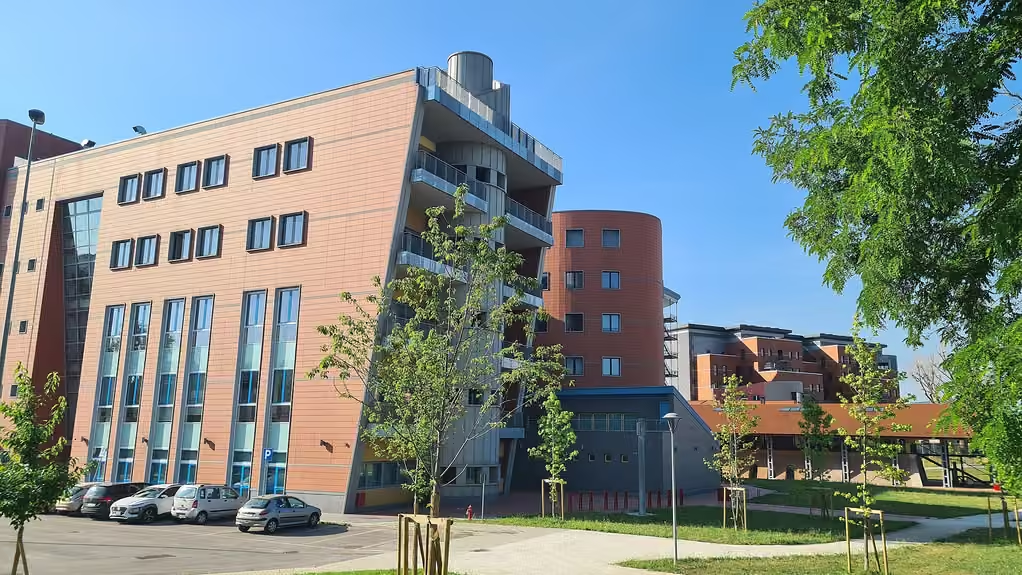
Photo credits
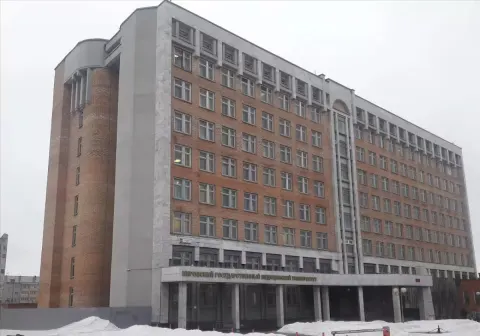
University of Bologna — university campus building. Photo: Mattia Barci. Resized and compressed. Image source · CC BY-SA 4.0.
At a glance
- City
- Bologna, Italy
- Tuition (1st year)
- Ask counsellor
- Institution type
- University
The University of Bologna is widely described as the oldest university in the Western world. Its English-taught Medicine and Surgery degree offers a European medical education at public-university fees, but entry is through the competitive IMAT test and seats for non-EU students are very few. Here is how Indian students can plan for 2027-28.
Key facts for 2027-28
| Location | Bologna, Italy |
|---|---|
| Founded | 1088 |
| Type | Public university |
| Programme | Medicine and Surgery (single-cycle degree), taught in English |
| Duration | 6 years |
| Admission | IMAT entrance test |
| Non-EU places | 20 for 2026-27 (non-EU citizens living abroad) |
| Intake | Autumn 2027 |
Always check fees, dates and rules for your intake on the official university website before you apply or pay.
About the University of Bologna
Founded in 1088, the University of Bologna (Alma Mater Studiorum) has taught students for more than 900 years. It is one of Italy's largest universities, with campuses in Bologna and several cities in the Emilia-Romagna region. Its medical school works with major hospitals in Bologna, including the university hospital.
The Medicine and Surgery programme
Medicine and Surgery is a six-year single-cycle degree taught in English. The course introduces clinical clerkships early in the curriculum, alongside the basic sciences. Later years focus on clinical medicine, surgery and specialities in hospital settings, and students prepare a thesis before graduation.
Although teaching is in English, patients in Bologna speak Italian. You will need good Italian for clinical work, so plan to learn it from your first year.
Why students choose Bologna
- One of the world's most historic universities.
- A public university with fees far lower than private medical schools.
- Possible regional scholarships (from the ER.GO agency) for students with lower family income.
- A lively, safe student city in northern Italy.
Things to think about
- Very few seats for non-EU students living abroad (20 in the 2026-27 call), so competition is intense.
- You must prepare seriously for the IMAT.
- Accommodation in Bologna is in high demand; search early.
How admission works
Non-EU students living abroad must pre-enrol on the Universitaly portal, choose Bologna, register for the IMAT and rank within Bologna's non-EU quota. For 2026-27, the university's call reserved 140 places for Italian, EU and equivalent candidates and 20 places for non-EU citizens living abroad, with a separate ranking for the non-EU group. The call also pointed applicants to the university's fees page for tuition information. The 2027-28 call will set new numbers and dates.
Fees and costs
Tuition at Italian public universities depends on the rules for international students and, in some cases, family income documents. Check the University of Bologna's "Fees and exemptions" page for 2027-28. Also plan for the IMAT fee, document translation and legalisation, insurance, permit of stay, rent and living costs.
Life in Bologna
Bologna is the capital of Emilia-Romagna, famous for its long porticoes, medieval towers and food. It is a true student city, with tens of thousands of students. It has excellent train links to Milan, Florence, Venice and Rome. Rents near the centre are high, so many students share flats. Winters are cool and foggy, and summers are hot.
Preparing for the IMAT
Start IMAT preparation at least six to nine months before the test. Revise Class 11 and 12 biology and chemistry thoroughly, practise physics and mathematics problems, and work on logical reasoning and reading comprehension. Solve past IMAT papers under timed conditions, and learn how the scoring works, including marks lost for wrong answers. Because Bologna has very few non-EU seats, many students also keep a backup option in another country for the same year.
Before you apply to University of Bologna
To practise in India later, you need a qualifying NEET-UG result before you join, and the course must meet the NMC Foreign Medical Graduate Licentiate Regulations, 2021: at least 54 months of study, a 12-month internship at the same university, teaching in English and eligibility for a medical licence in Italy. NMC does not approve or list foreign universities, so ask University of Bologna to confirm these points in writing and read the latest notices on nmc.org.in. After graduating you will need to clear the licensing exam (currently FMGE) and a 12-month internship in India. Our MBBS abroad guide covers eligibility, documents, FMGE preparation and careers in detail.
2027-28 intake timeline
- October 2026 – January 2027: shortlist University of Bologna and other options, read the official 2027-28 admission rules and check that the course meets the NMC conditions.
- February – April 2027: register for NEET-UG 2027 and get your passport and documents ready.
- May 2027: appear for NEET-UG 2027 (NTA will announce the date; recent exams were on the first Sunday of May).
- Pre-enrolment on Universitaly and IMAT registration in the official 2027 window: apply to University of Bologna through its official international admissions channel.
- After IMAT rankings: enrolment, visa and travel: admission letter, visa, travel and joining.
Watch the Italian ministry's decree for 2027-28, which sets the IMAT date and the number of non-EU places at each university.
Related guides
For the bigger picture beyond University of Bologna, read these guides:
- MBBS in Italy: living costs, visa, climate, student life and the full admission process in Italy.
- MBBS abroad guide: eligibility, recognition in India, costs and choosing a country.
- Compare other universities by country, course and city.
How PSP Education can help
PSP Education has guided Indian students since 1992 and can help you decide whether University of Bologna suits you and apply before the 2027-28 deadlines. Book a free counselling session using the form on this page.
Summary and official sources
The University of Bologna’s Medicine and Surgery programme is a six-year single-cycle degree taught in English. The course describes clinical clerkships beginning early in the curriculum. Use the current admission call for examination, non-EU places and document requirements, and confirm any Italian needed for patient contact.
Courses and official information
- Medicine and Surgery — single-cycle degree — 6 years; language: English. Official programme information. Explore this course.
Visit the official university website for current admission rules, fees and application dates.
Indian medical applicants should check the current NMC requirements, NEET bulletin, internship structure and local licensing conditions before applying. Admission alone does not give permission to practise medicine in India.
FAQs
How many seats does Bologna have for Indian students?
Indian students compete for non-EU seats. For 2026-27, Bologna reserved 20 places for non-EU citizens living abroad. The 2027-28 number will be in the new call.
Is IMAT compulsory for Bologna?
Yes. Admission to English-taught Medicine and Surgery is through the IMAT.
Do I need Italian?
Teaching is in English, but you will need Italian to talk to patients in clinical training.
Can I apply to University of Bologna for the 2027-28 intake?
Yes, if you meet the entry rules. Start now: check the official 2027-28 admission rules, qualify NEET-UG (needed to practise in India) and apply in the university's official window. PSP Education can help you plan each step.
Is University of Bologna approved by NMC?
NMC does not approve or list foreign universities. Your course must meet the NMC Foreign Medical Graduate Licentiate Regulations, 2021. Ask University of Bologna to confirm each condition in writing and check nmc.org.in for the latest notices.
What is the total cost of studying at University of Bologna?
Ask the university for its official fee list for each year of the 2027-28 batch, in writing. Add accommodation, food, insurance, visa or residence permit, books and travel, and keep 10–15% extra for exchange-rate changes.
Timeline
Admission Process Timeline
From shortlist to visa, here is the order and buffer you should plan for.
Profile & shortlist
1–2 daysShare NEET score, budget, and destination preference. Get 3–5 best-fit universities.
Documents ready
3–7 daysCollect transcripts, passport, photos, and notarised affidavits. Prepare SOP/experience letters if needed.
Apply to university
Offer in 7–21 daysSubmit application and pay fees. Track offer/LOA status and respond to any clarifications.
Fee payment & invitation
Within 7 days of offerPay first-year/semester fee as instructed to secure invitation for visa.
Visa & medical
4–6 weeks before intakeBook biometrics/medical, arrange bank proofs and insurance. Keep 4–6 week buffer before intake.
Travel & arrival
1–2 weeks before classesBook flights, airport pickup, hostel allocation. Keep photocopies of all documents.
Admissions help
Need clarity on eligibility, scholarships, or paperwork? PSP mentors reply within 24 hours.
Request counsellingHave documents ready?
Share your transcripts and preferences so we can introduce you to the right university representative.
Email PSP teamSuggested universities
Universities similar to University of Bologna.
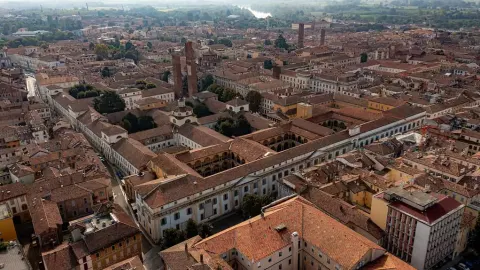
University of Pavia
Pavia, Italy
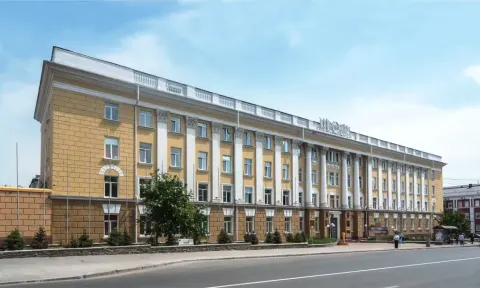
Altai State Medical University
Barnaul, Russia

Ulyanovsk State University
Ulyanovsk, Russia
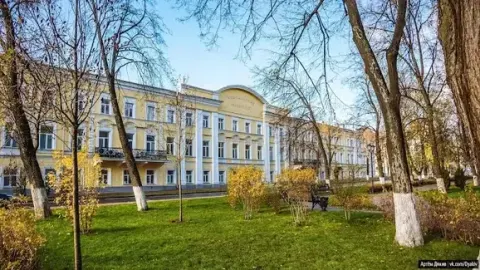
Yaroslavl State Medical University
Yaroslavl, Russia
Kirov State Medical University
Kirov, Russia

Chita State Medical Academy
Chita, Russia
Related blogs
Resources to keep your research moving.
MBA Abroad for Indian Students in 2027-28: Countries, Costs and Rounds
An MBA abroad can accelerate your career, but the right programme depends on your experience, goals...
Read more: MBA Abroad for Indian Students in 2027-28: Countries, Costs and RoundsNursing Abroad After 12th: Countries, Rules and INC Equivalency (2027-28)
A nursing degree abroad can lead to a global career. Here is how to choose a country after Class 12,...
Read more: Nursing Abroad After 12th: Countries, Rules and INC Equivalency (2027-28)How to Choose the Right Country for MBBS Abroad in 2027-28
There is no single best country for MBBS abroad. Here is how to compare destinations by budget, entr...
Read more: How to Choose the Right Country for MBBS Abroad in 2027-28MBBS Abroad vs Private MBBS in India: An Honest Comparison for 2027
Private MBBS in India and MBBS abroad both have real advantages and real costs. Here is an honest si...
Read more: MBBS Abroad vs Private MBBS in India: An Honest Comparison for 2027NMC Rules for MBBS Abroad Explained: The FMGL 2021 Checklist
NMC does not approve foreign universities. Instead, the FMGL Regulations 2021 set conditions your co...
Read more: NMC Rules for MBBS Abroad Explained: The FMGL 2021 ChecklistNEET 2027 and MBBS Abroad: What Indian Students Must Know for 2027-28
If you plan to start MBBS abroad in 2027, NEET-UG decides whether you can practise in India later. H...
Read more: NEET 2027 and MBBS Abroad: What Indian Students Must Know for 2027-28